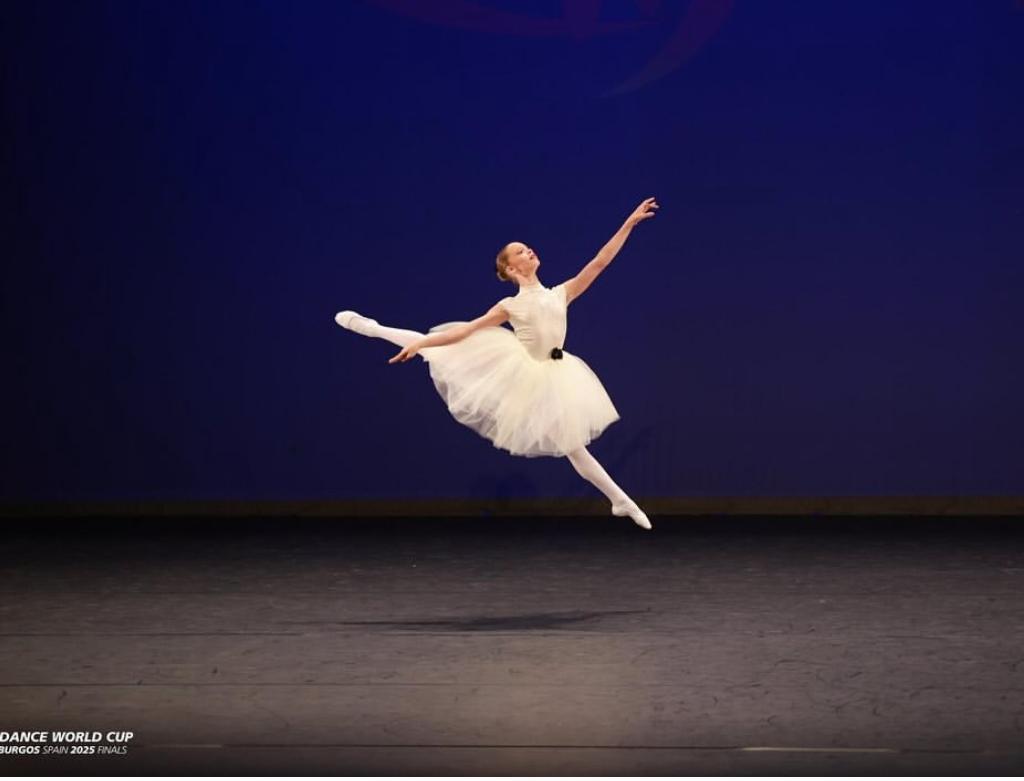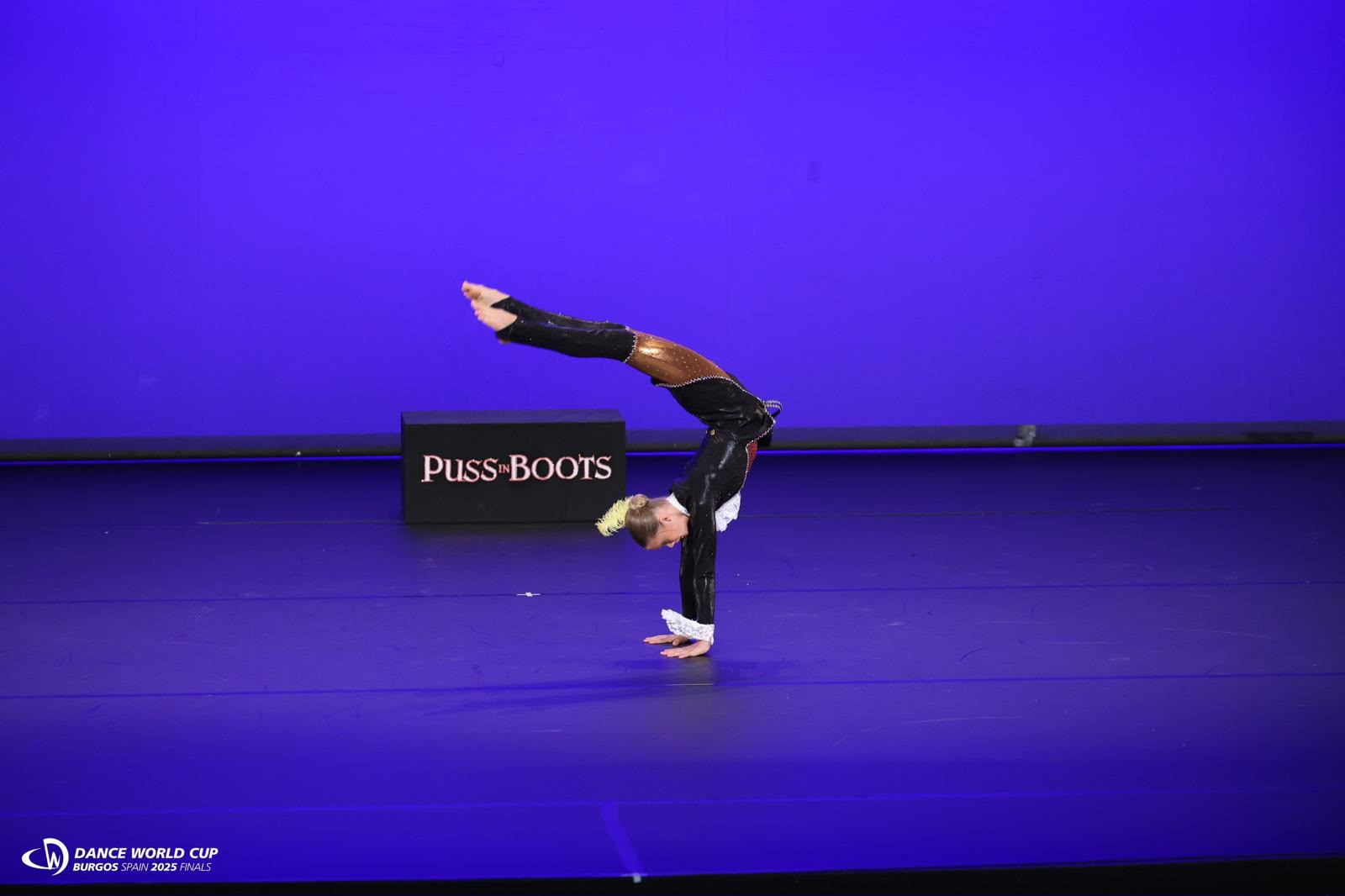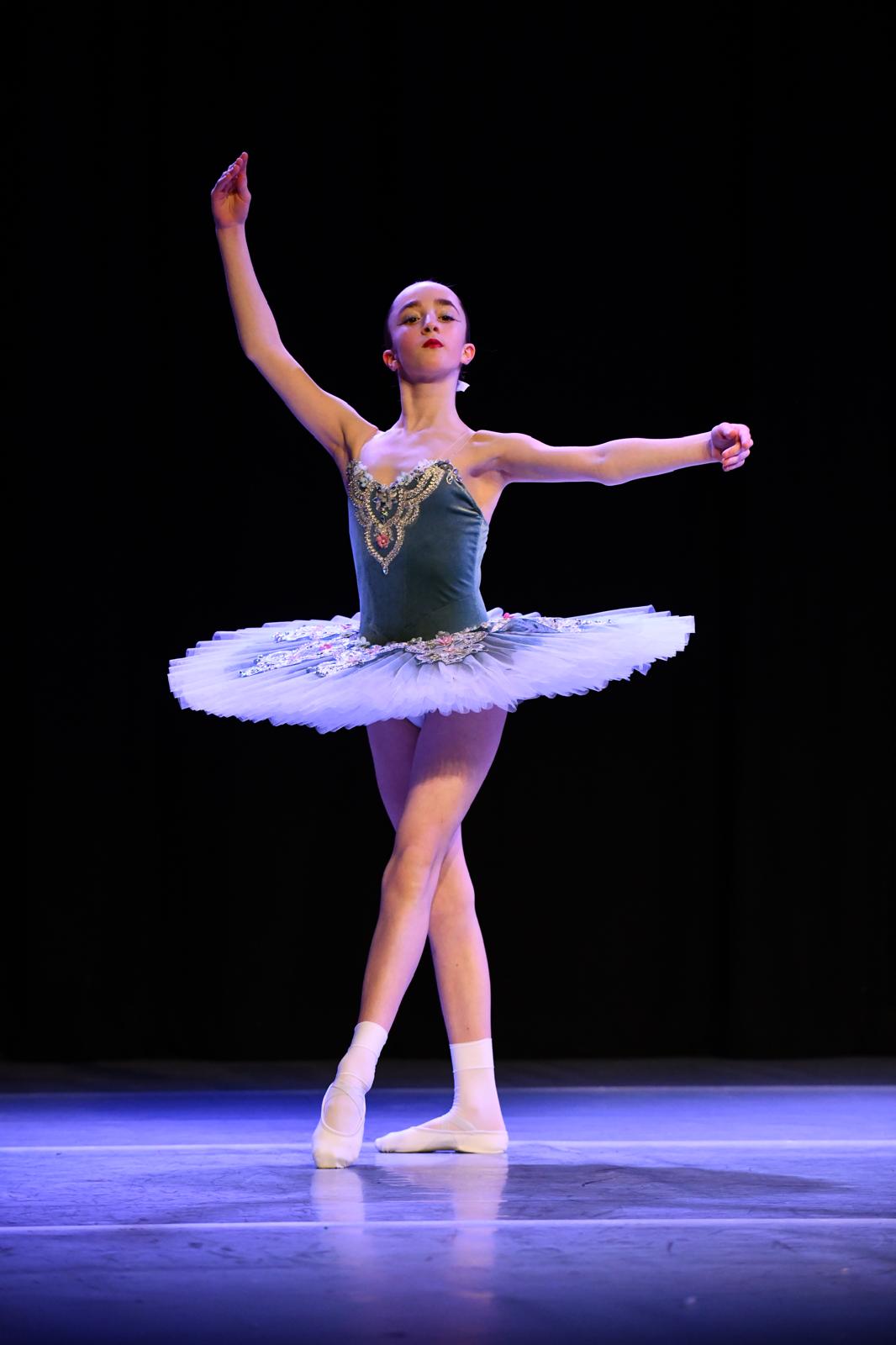

The first thing to know is that competitions are mostly waiting. A three-minute routine sits inside a twelve-hour day, and the dancers who cope best are the ones who have packed a book, a snack and a spare pair of tights.
Call time is usually two hours before the section. Hair and makeup happen at home where possible — a theatre dressing room at seven in the morning is not the place to attempt a first bun.
On the floor, we ask for one thing: perform the routine you rehearsed. Adjudicators reward clean, committed dancing far more consistently than they reward a risky trick that only lands half the time.
Results come at the end of the section, and they are genuinely not the point. Every dancer leaves with written feedback from the adjudicator, and that sheet is worth more to their training than any placing.